
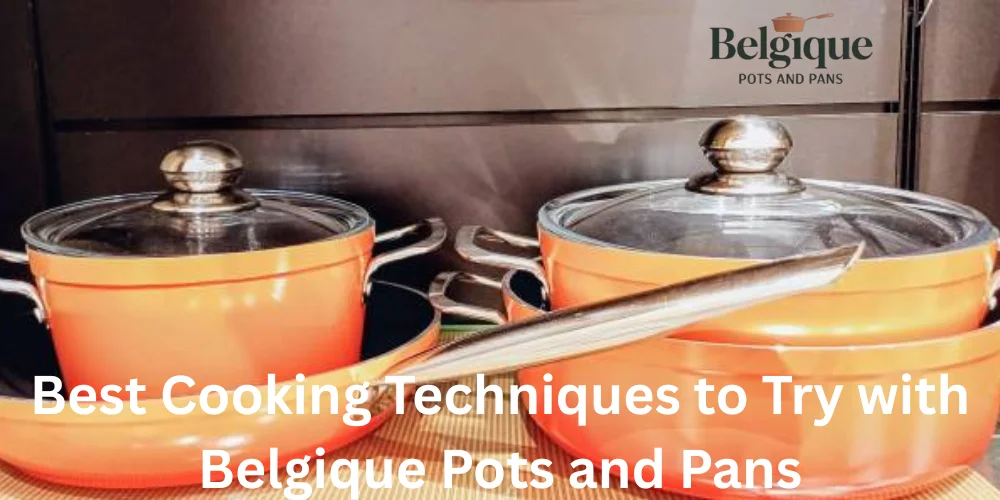
A great meal often depends on two key factors: high-quality ingredients and the right cookware. Belgique pots and pans are designed to make cooking easier, whether you are preparing simple family dinners or experimenting with new recipes. Their sturdy construction and even heat distribution help you achieve consistent results. If you want to get the most out of your Belgique cookware, learning the right techniques can make a big difference in your kitchen.
Best Cooking Techniques to Try with Belgique Pots and Pans
Belgique pots and pans are versatile enough for almost every style of cooking. From simmering soups to searing meats, these pans can handle a variety of methods with ease. Once you know which techniques work best, you can enjoy better flavors, textures, and results with less effort.
Perfecting the Art of Searing
Searing is one of the most effective ways to lock in flavor, especially for meats and fish. Belgique pans hold heat evenly, which allows you to achieve that golden-brown crust without burning. For best results, preheat your pan before adding oil. Once the oil shimmers, place your protein in the pan and avoid moving it until the crust has formed. This technique creates a rich depth of flavor that elevates your dish.
Mastering Slow Simmering
Soups, stews, and sauces benefit greatly from slow simmering. Belgique pots are ideal because they distribute heat steadily across the base and sides. This consistency allows flavors to meld without scorching. Keep the temperature low and let your dish cook gently, stirring occasionally. Slow simmering not only deepens flavors but also makes tougher cuts of meat tender and satisfying.
Achieving Perfect Sautéing
Sautéing requires quick, high-heat cooking, and Belgique pans excel in this area. Vegetables, shrimp, or thin cuts of chicken can be sautéed to perfection when you use a pan that responds quickly to temperature changes. Use a small amount of oil, keep ingredients in motion, and avoid overcrowding the pan. This ensures everything cooks evenly and develops the slight caramelization that makes sautéed dishes so flavorful.
Trying Out Braising
Braising combines both searing and slow cooking in one process, making it a great way to bring out deep, complex flavors. Start by searing your meat in a Belgique pan, then add broth, wine, or sauce and cover it to cook at a low temperature. The heavy lids on Belgique pots help retain moisture, which is key for tender, flavorful results. Braising works especially well with beef short ribs, chicken thighs, or vegetables like cabbage and carrots.
Cooking with Steam
Belgique pots with lids are also excellent for steaming. By adding a small amount of water and covering tightly, you can steam vegetables, fish, or dumplings with ease. This technique helps preserve nutrients and natural flavors while keeping food light and healthy. Steaming is especially handy when you want a quick side dish that pairs well with heavier meals.
Baking on the Stovetop
One surprising technique you can try with Belgique cookware is stovetop baking. Dishes like cornbread or frittatas can be cooked directly in your pan with even heat and consistent results. Simply use a low flame, cover with a lid, and allow the dish to cook through slowly. This method is especially useful when you want the texture of baked food without turning on the oven.
FAQs
Can I use Belgique cookware on an induction cooktop?
Yes, most Belgique pots and pans are induction compatible, but you should always check the product details to be sure.
What cooking oil is best for searing in Belgique pans?
High smoke point oils like avocado, canola, or sunflower oil work best for searing because they can withstand high heat.
How do I prevent food from sticking when sautéing?
Make sure your pan is preheated before adding oil. Also, avoid overcrowding the pan, which lowers the temperature and causes sticking.
Are Belgique pans oven safe?
Yes, many Belgique pans are oven safe up to certain temperatures. Always check the manufacturer guidelines before placing them in the oven.
Do I need to season Belgique pans?
No, Belgique cookware usually comes with nonstick or stainless-steel surfaces that do not require seasoning. A light coat of oil before cooking can still improve results.
Conclusion
Belgique pots and pans offer flexibility, durability, and excellent heat control, making them suitable for many cooking techniques. From searing and sautéing to slow simmering and braising, these pans help you achieve delicious meals without extra hassle. By using the right methods, you can bring out the best in your ingredients and enjoy cooking at home even more.