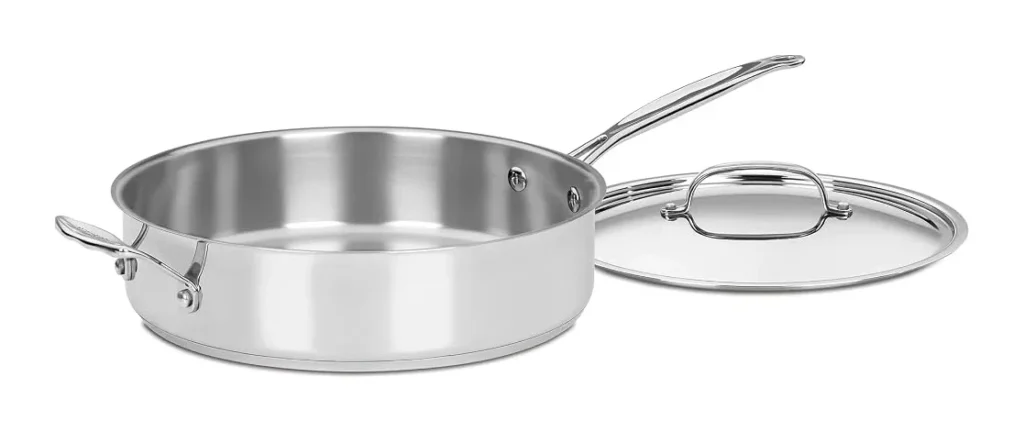
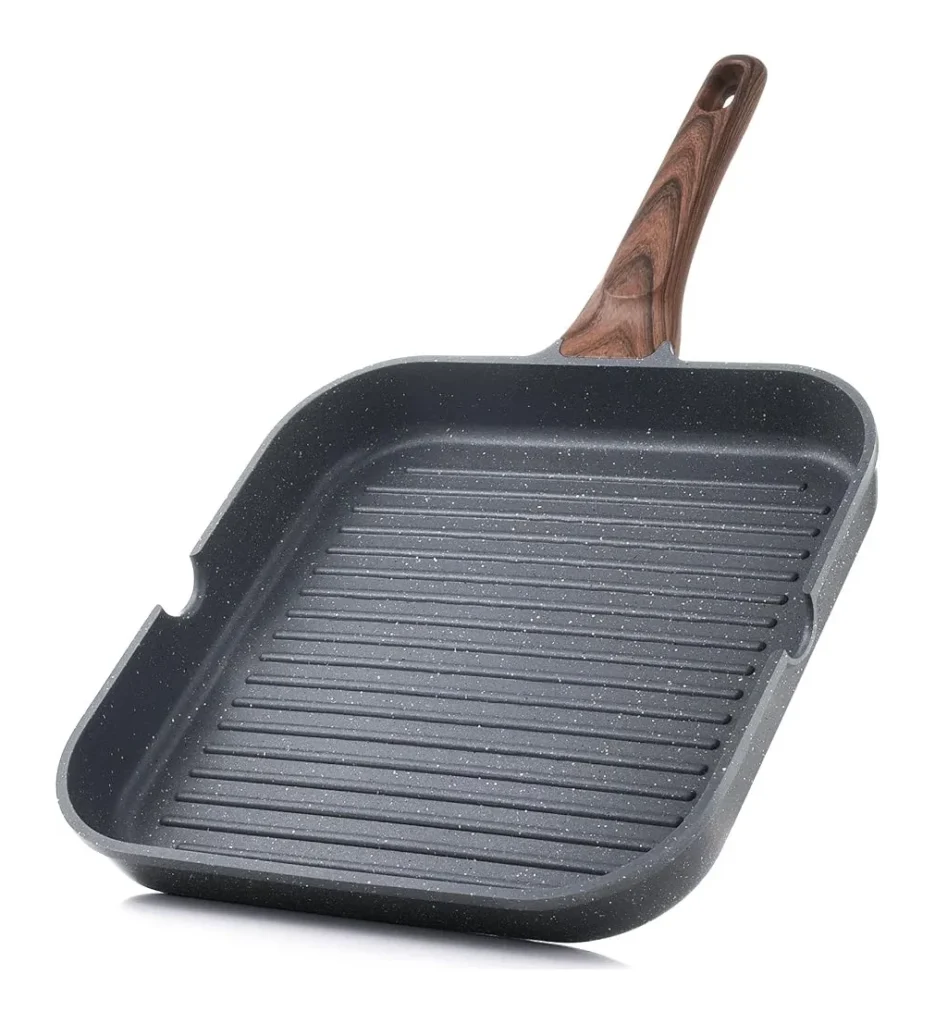
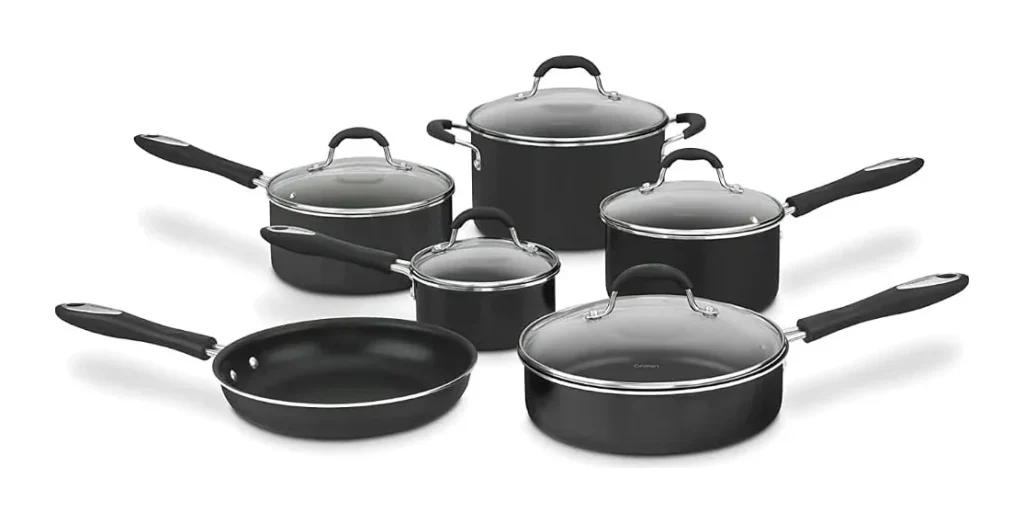
Belgique pans handle the fast, everyday cooking: eggs, cutlets, stir fries and pan sauces. Compare fry pans, saute pans and grill pans in stainless and nonstick.
Start with the shape. A fry pan is the daily workhorse for eggs, bacon and quick vegetables. A saute pan has straight sides that keep oil and sauce in the pan, so it handles chicken piccata, shallow fried cutlets and one pan pasta. A grill pan adds charred lines to meat and vegetables when grilling outdoors is not an option.
Stainless or Nonstick?
Stainless pans brown and sear best and last for decades. Nonstick pans release delicate food with almost no oil. Owning one of each covers almost every recipe.
Size and Weight
Measure your largest burner. A pan much wider than the burner heats unevenly. Heavier pans hold heat better for searing, while lighter pans are easier to toss and flip.
Technique
Cooking Tips for Belgique Pans
Preheat stainless pans on medium, then add oil. Pat proteins dry so they sear instead of steam, and do not crowd the pan. For nonstick, keep the heat at low to medium and use silicone tools. Finish sauces by deglazing a stainless pan with stock and a knob of butter. A matching lid from your cookware set often fits the saute pan too.
Care
Keeping Your Pans in Top Shape
Let pans cool before washing, avoid sudden temperature changes and store them with protectors between layers. Remove heat tint from stainless with vinegar, and never use steel wool on nonstick. Need a pot to go with your pans? See the full range of Belgique pots.
FAQ
Frequently Asked Questions
What is the difference between a fry pan and a saute pan?
A fry pan has sloped sides that make flipping and sliding food easy. A saute pan has straight, taller sides and usually a lid, so it holds more liquid for braising and pan sauces.
Are Belgique pans nonstick?
Belgique pans come in both stainless steel and nonstick versions. Stainless is better for searing, while nonstick is better for eggs and delicate fish.
What size Belgique fry pan should I buy?
A 10 inch fry pan suits one or two people, while a 12 inch pan gives room for family meals. Many cooks own one of each.
Can Belgique pans go in the oven?
Stainless pans are generally oven safe. Nonstick coatings, glass lids and coated handles often have lower limits, so check the listing first.
How do I clean a Belgique grill pan?
Soak it while still warm, then scrub between the ridges with a brush. For nonstick grill pans use a soft brush to protect the coating.